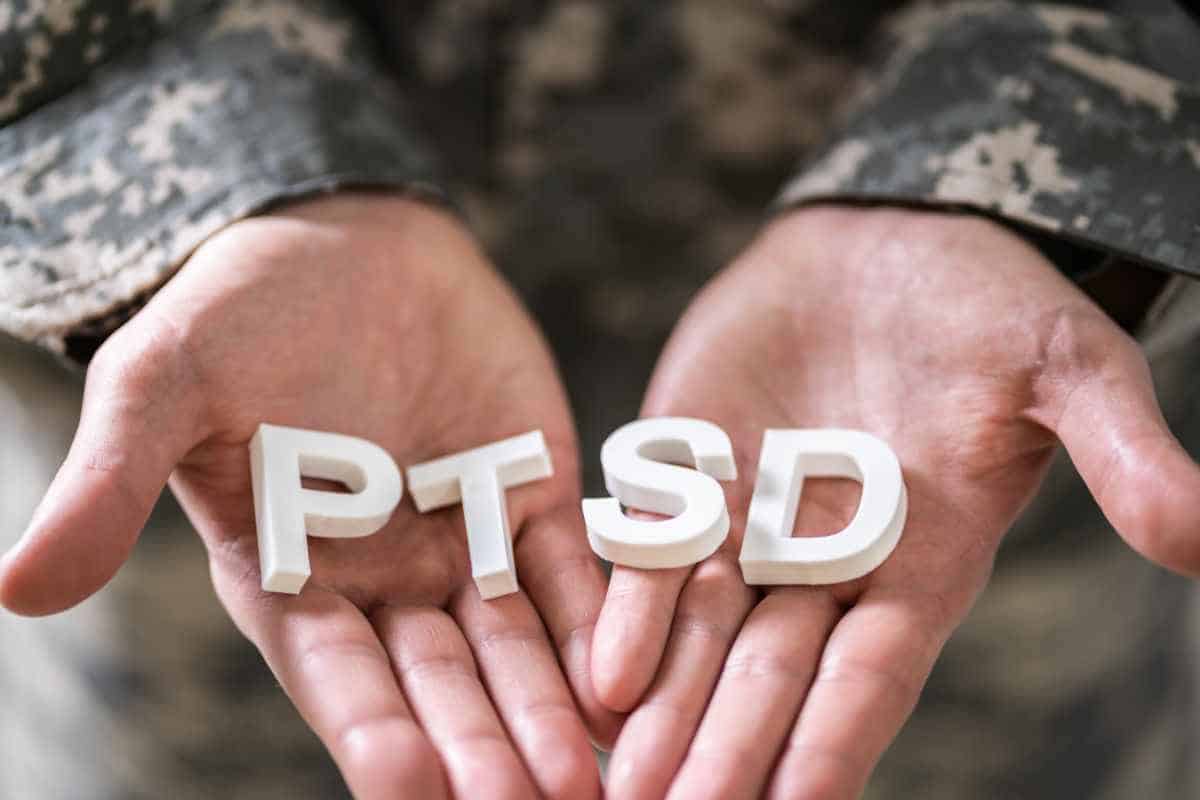
We all experience stress at some point in our lives, but for some, it can become so debilitating that it can lead to a diagnosis of Acute Stress Disorder (ASD) or Post Traumatic Stress Disorder (PTSD).
Though the two disorders seem similar, it’s critical to understand the subtle differences between them so they can be managed in the best possible way.
This article will explain what causes ASD and PTSD, their symptoms, diagnosis, prevention strategies, and effective coping techniques. With a little knowledge, you’ll be empowered to help yourself or a loved one cope.
What’s the difference between Post Traumatic Stress Disorder (PTSD) and Acute Stress Disorder (ASD)?
The primary difference between PTSD and ASD is the length of time each disorder persists. While PTSD can last for months or years after a traumatic event, ASD typically lasts only from three days to one month. Both disorders involve similar feelings of fear, helplessness, and horror in response to a traumatic event. Symptoms of both include flashbacks, nightmares, avoidance of triggers related to the trauma, problems sleeping or concentrating, irritability or outbursts of anger, and difficulty feeling emotions.
In addition to the length of time each presents and there are some other key differences. For instance, while PTSD involves a strong sense of detachment from others or oneself and an impaired ability to recall certain aspects of the trauma due to dissociation (the inability to remember details as if they had not happened), this is not true with ASD. Additionally, ASD often includes anxiety that is more closely related to re-experiencing stressful events in the form of intrusive memories.
Ultimately, it’s important to seek professional help if you think you may be experiencing either ASD or PTSD.
What do PTSD and ASD have in common?
PTSD and ASD have a lot in common. Both mental health disorders involve similar cognitive, behavioral and emotional symptoms and both are in response to a traumatic experience.
These symptoms can be debilitating and make it difficult to live a normal life. Keep reading to learn more about the specific differences between PTSD and ASD.
Acute Stress Disorder
Unlike Post-Traumatic Stress Disorder (PTSD), which may develop weeks or months after the initial event, ASD usually develops within four weeks of the incident.
It’s important to note that not everyone who experiences a traumatic event will develop ASD.
Post Traumatic Stress Disorder
Post-Traumatic Stress Disorder (PTSD) is a mental health condition that can develop after experiencing or witnessing a traumatic event. Symptoms of PTSD can include flashbacks or nightmares related to the trauma, avoidance of triggers associated with the event, difficulty sleeping or concentrating, irritability or outbursts of anger, and difficulty feeling emotions. These symptoms must be present for at least one month and cause significant distress or impairment in functioning before they can be classified as PTSD. Other symptoms may include feelings of guilt, shame, depression, anxiety, and/or physical symptoms such as headaches and muscle tension.
Treatment for PTSD and ASD both typically involve cognitive behavioral therapy and other types of supportive therapies like talk therapy, exposure therapy, direct exposure, trauma exposure, and relaxation techniques. In severe cases, medications may also be prescribed to help manage symptoms. It’s important to note that treatment will vary depending on each individual’s needs so it is best to consult with a mental health professional who can provide an appropriate plan for care.
Symptoms of Acute Stress Disorder vs PTSD
Symptoms of ASD are similar to those of PTSD, but they usually last for less than one month and do not cause significant distress or impairment in functioning.
Though there is no specific treatment for ASD, it is important to seek help from a mental health professional so that an appropriate plan for care can be developed to address an individual’s needs best. At Sober Life we can assist you or your loved ones in getting a diagnosis and personalized treatment for your condition. Call us to learn more: (619) 542-9542.
Physical Symptoms of ASD and PTSD
Physical symptoms of both Acute Stress Disorder (ASD) and Post-Traumatic Stress Disorder (PTSD) can be extremely uncomfortable and interfere with day-to-day functioning. Those who are suffering from either of these conditions may experience headaches, muscle tension, difficulty concentrating, sleep disturbance or nightmares related to the trauma, irritability or angry outbursts, and difficulty feeling emotions. ASD often has a shorter duration than PTSD a however it is important to seek professional help so that an appropriate plan for care can be developed to best address individual needs.
Cognitive Symptoms of ASD and PTSD
Cognitive symptoms of both Acute Stress Disorder (ASD) and Post-Traumatic Stress Disorder (PTSD) are understandably difficult to manage. People suffering could have difficulty concentrating, memory loss, confusion over the details associated with their trauma, feelings of distress or guilt related to the event, and avoidance of situations that remind them of what happened. For instance, someone with ASD may avoid activities that previously provided pleasure or feel detached from those around them.
Emotional Symptoms of ASD and PTSD
The emotional symptoms of Acute Stress Disorder (ASD) and Post-Traumatic Stress Disorder (PTSD) can be overwhelming. Those who suffer from either condition may experience intense emotions such as fear, anger, guilt, shame, and depression. They may also feel a sense of dread or helplessness. In addition to this emotional distress, those with ASD or PTSD can also have difficulty in regulating their emotions. This can lead to feelings of being out of control and unable to cope with everyday situations and ultimately, social withdrawal.
The Causes of Acute Stress Disorder and PTSD
The causes of Acute Stress Disorder (ASD) and Post-Traumatic Stress Disorder (PTSD) are complex, but there are some common contributing factors. Traumatic events such as a natural disaster, physical assault, or combat can be triggers for these conditions in the aftermath of trauma. Other possible causes include long-term exposure to extreme stress or abuse, a history of trauma in childhood (such as child abuse), sexual trauma, complex trauma, domestic violence, other types of trauma and or a lack of emotional support during difficult times. Those with pre-existing mental disorders such as anxiety disorders may also be more susceptible to developing ASD or PTSD. In addition to the external factors that may contribute to ASD and PTSD, genetic predisposition can also play a role in the development of these conditions and these sufferers are more likely to take up substance abuse.
What is acute vs chronic PTSD?
Acute vs Chronic PTSD: What’s the Difference?
When it comes to Post-Traumatic Stress Disorder (PTSD), there are two types – acute and chronic. Acute PTSD is a short-term reaction to a traumatic event that usually lasts for three months or less. Symptoms of acute PTSD may include flashbacks, nightmares, avoidance of reminders of the trauma, and difficulty sleeping.
Chronic PTSD is a longer-term condition that can last for more than three months after the traumatic event has occurred. People who suffer from chronic PTSD may experience heightened levels of anxiety, depression, and fear. They may also have difficulty functioning in everyday life due to intrusive thoughts or memories related to the traumatic event. You can imagine how difficult it would be to hold down a job, have healthy relationships and care for oneself in this chronic condition. No one should have to try and live this way.
If you or someone you know is suffering from symptoms associated with either acute or chronic PTSD, it’s important to seek professional help as soon as possible. Treatment options such as therapy, medications, and lifestyle changes can help manage your symptoms with a treatment plan and improve your quality of life. Sober Life is available with help and advice. Contact us anytime: (619) 542-9542.
Diagnosis of Acute Stress Disorder & Post-Traumatic Stress Disorder
The official diagnosis of Acute Stress Disorder (ASD) and Post-Traumatic Stress Disorder (PTSD) are based on a combination of physical, psychological, and behavioral symptoms. Adjustment disorder vs PTSD is a different topic, and again one with subtle nuance, best diagnosed by an expert. Mental health professionals will conduct an in-depth assessment that includes questions about the individual’s experience and symptoms. They may also use questionnaires and other diagnostic tools such as the DSM-5 to help determine the diagnosis.
Once an accurate diagnosis has been made, treatment options can be discussed. Common treatments for ASD and PTSD typically include cognitive behavioral therapy, medications such as antidepressants and anti-anxiety medications, stress management techniques, support groups and other forms of psychotherapy. With the right help, those suffering from trauma or prolonged stress can begin their recovery journey.
Acute Stress Disorder vs PTSD: the difference is critical to managing the condition.
Living with any kind of physical or mental health condition can be difficult. While there is no one-size-fits-all approach to managing these conditions, there are a few things that can help improve your quality of life:
- Building a support system of family and friends can provide an emotional connection, understanding, and help.
- Additionally, engaging in activities like exercise, art therapy, yoga, and mindfulness can reduce stress levels and improve overall well-being.
- Probably most importantly, we recommend getting the proper diagnoses and treatment recommendations from professionals who care. Call us at Sober Life so we can help (619) 542-9542.
In the end, whether it’s acute stress disorder versus PTSD, or adjustment disorder vs PTSD, if you are suffering, please ask for help. Discover healing and support at our Acute Stress Disorder Treatment Center, where our dedicated professionals are committed to guiding you through the path of recovery. Treatment methods work for all diagnoses; with proper care, you can manage your symptoms and get your life back on track.